Updated on
Are B12 injections painful? Not if you ask our customers, who self-inject our methyl B12 on a daily basis. In contrast, we occasionally hear from others who experience pain with B12 shots. So, why do B12 injections hurt so much for some, while our customers barely feel them? Several factors affect pain levels, and we’ll explain them one by one.
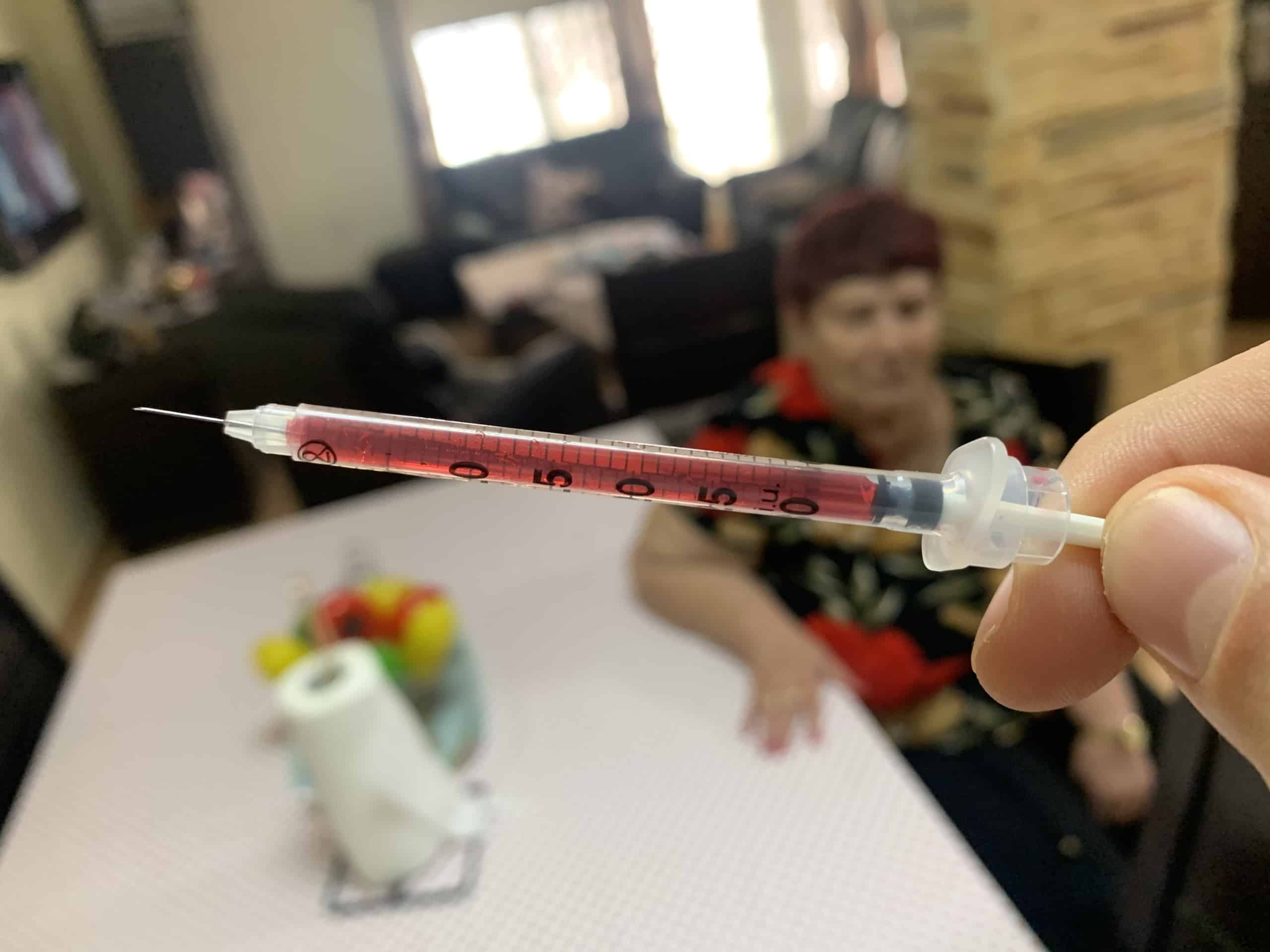
Why Do B12 Injections Hurt?
Your B12 injection pain level—or lack thereof—depends on a few factors:
Method of administration
If you’ve ever had muscle pain after a B12 injection, it’s probably, well, because you injected into muscle tissue. Intramuscular B12 shots can sting quite a bit, which is unfortunate, because it discourages some people from self-injecting.
However, intramuscular administration isn’t necessary. Vitamin B12 has a long history of effective subcutaneous delivery, with little to no muscle pain after B12 injections. If you have some body fat at the injection site, you’ll barely feel anything at all.
Also, subcutaneous delivery is safe and easy to self-administer. Remember, diabetes patients have been self-injecting that way for decades. Unlike intramuscular delivery, there’s essentially no risk of nerve injury. It’s our preferred way to inject B12, especially if you self-inject, and again—there’s no muscle pain after B12 shots done this way.
The solvent
Another possible cause of painful B12 injections is the solvent used to dissolve the B12 in the vial. Several studies, such as this one, have reported significant pain with water-based injections, and little to no pain with those prepared in saline.
Why do B12 shots hurt so much when dissolved in water? It’s because our body is saltier than plain water. When you inject water, the body has to equalize the salinity, and that shift can cause the stinging pain from B12 injections based on water.
Also, research shows that B12 absorbs best when dissolved in an isotonic solution like saline. Frankly, nobody should ever use water. Unfortunately, most B12 shot brands still use water. If you can’t find saline-based shots, create your own B12 injection kit.
The injection site
When people complain about arm or leg pain after B12 injections, it’s often because of intramuscular delivery. Penetrating muscle tissue is painful, and you might also hit a nerve by accident. In contrast, subcutaneous injections are painless, because it’s mostly fat tissue you’re penetrating. But even then, the injection site makes a difference.
We typically recommend injecting around the belly button, because the area is easily accessible, and it’s also where people tend to store the most fat. Subcutaneous injections in areas with abundant fat tissue are usually painless. Avoid low-fat areas.
So, Are B12 Injections Painful?
Let’s wrap this up. Are B12 shots painful? As you’ve just seen, they don’t have to be. Here’s what you can do to minimize any pain or discomfort:
- Dissolve the B12 in saline. This way, the body won’t have to equalize the salinity to match its own levels, which reduces the sting.
- Inject subcutaneously. Injecting into muscle is more painful and may put you off self‑injecting, while injecting B12 into fat is painless and effective.
- Inject into an easily accessible site with enough fat tissue. For most people, the area around the belly button is an excellent spot.
Follow these guidelines, and you’ll barely feel any pain during or after a B12 injection. To ensure your B12 shots are saline-based and free from additives that could cause side effects, you can buy our injectable B12 powder and dissolve it in injectable saline. You’ll receive our full instructions on how to self-inject at home painlessly.
If you rely on B12 shots prescribed by a doctor, please don’t stop treatment, even if they’re painful due to a water-based solution or intramuscular delivery. They may make you wonder—why do B12 shots hurt so bad?—but that discomfort is nothing compared to a lifetime of neurological damage and suffering from an untreated B12 deficiency.
Good luck.